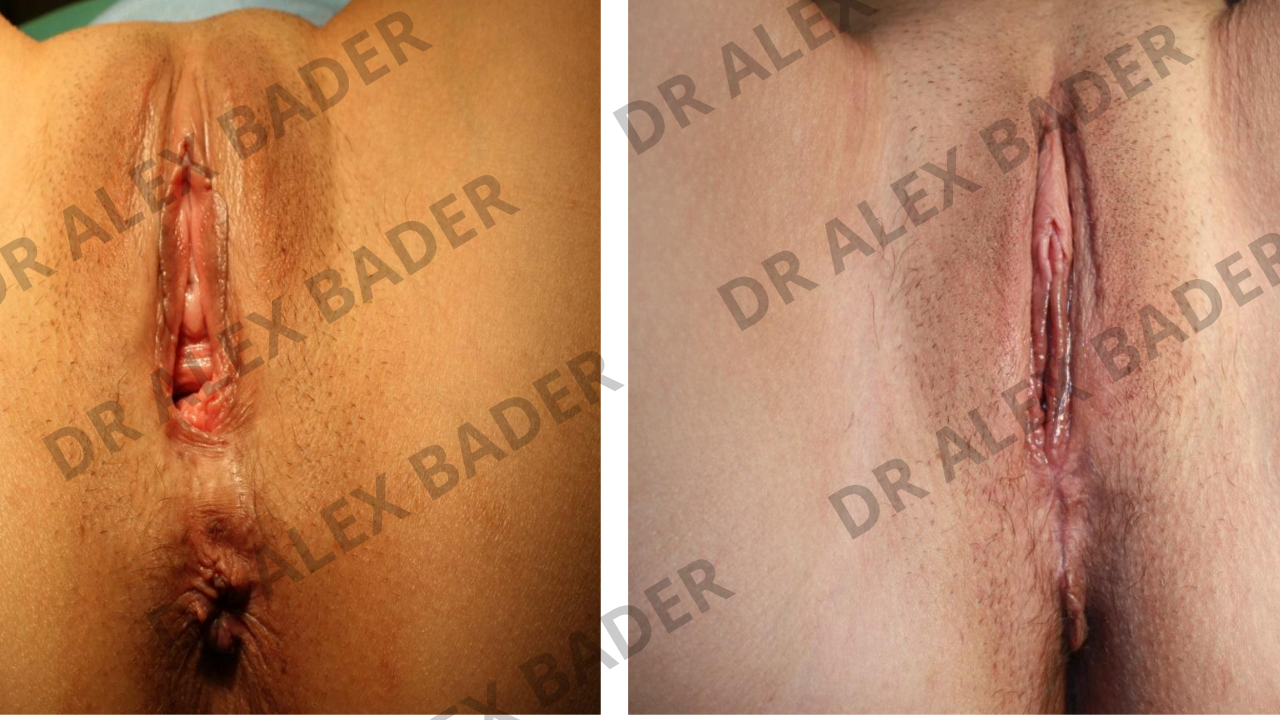
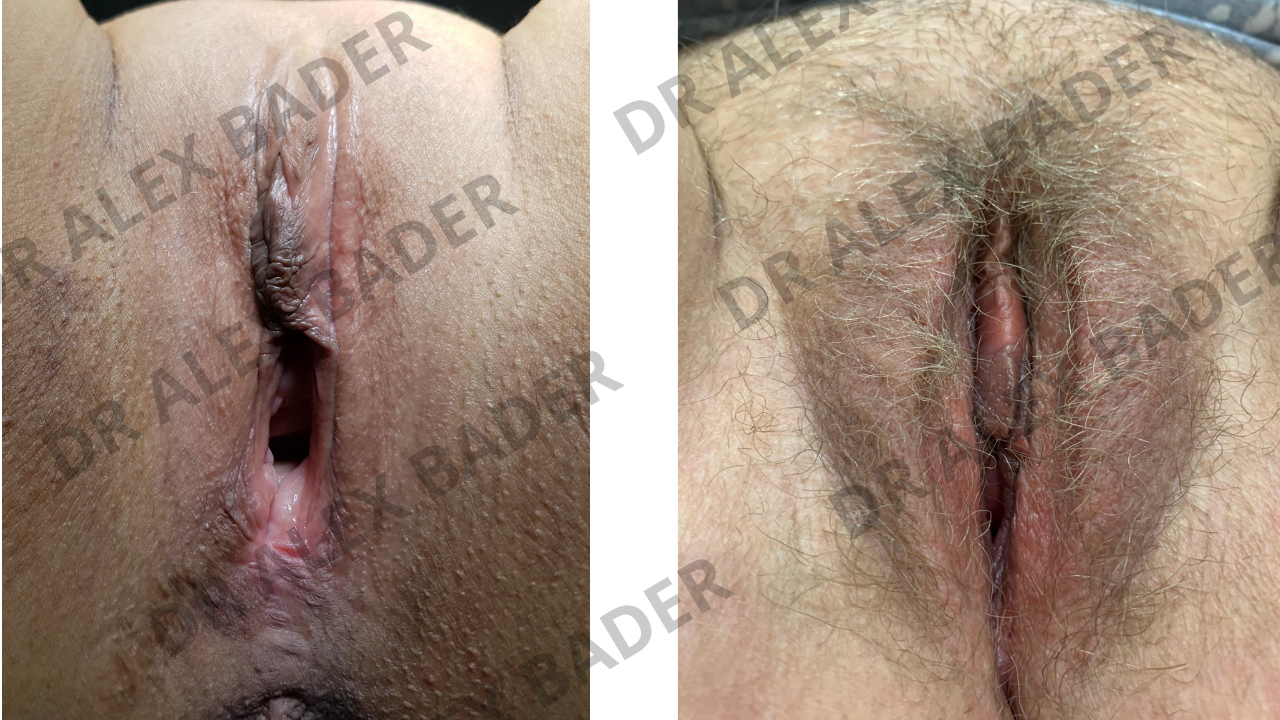
Vaginoplasty, also known as vaginal tightening, aims to reinforce the pelvic floor by tightening lax muscles and tissues, removing excess vaginal skin and gently narrowing the vaginal canal. Many patients report improved sexual satisfaction, confidence and comfort after recovery. At the Bader Medical Institute of London, your care is tailored with discretion and specialist expertise.
No second guessing. No compromise.
Mr. Alex Bader and Dr. Maria Papadopoulou are two of the most experienced intimate surgery specialists in the world — and they are both here, at one clinic, Bader Medical on Harley Street. For a procedure this personal, that is everything.
Who Is Vaginoplasty For?
Vaginoplasty may be suitable if you experience vaginal laxity due to childbirth, ageing, genetics, weight fluctuations or reduced pelvic support. Good candidates are in overall good health and have realistic goals. Your surgeon will examine you and review your medical history to confirm suitability.
- Tighten lax muscles & tissues
- Narrow the vaginal canal for improved tone
- Remove excess skin for a neater contour
What to Expect
The procedure is performed by an expert surgeon in an appropriate surgical setting. Modern laser and radiofrequency tools allow precise tissue handling and a smoother recovery than traditional colporrhaphy.
- Duration: around 1 hour (case-dependent)
- Recovery: most patients resume light activity in a few days
- Comfort: contemporary techniques reduce discomfort vs. older methods
Video
Before & After
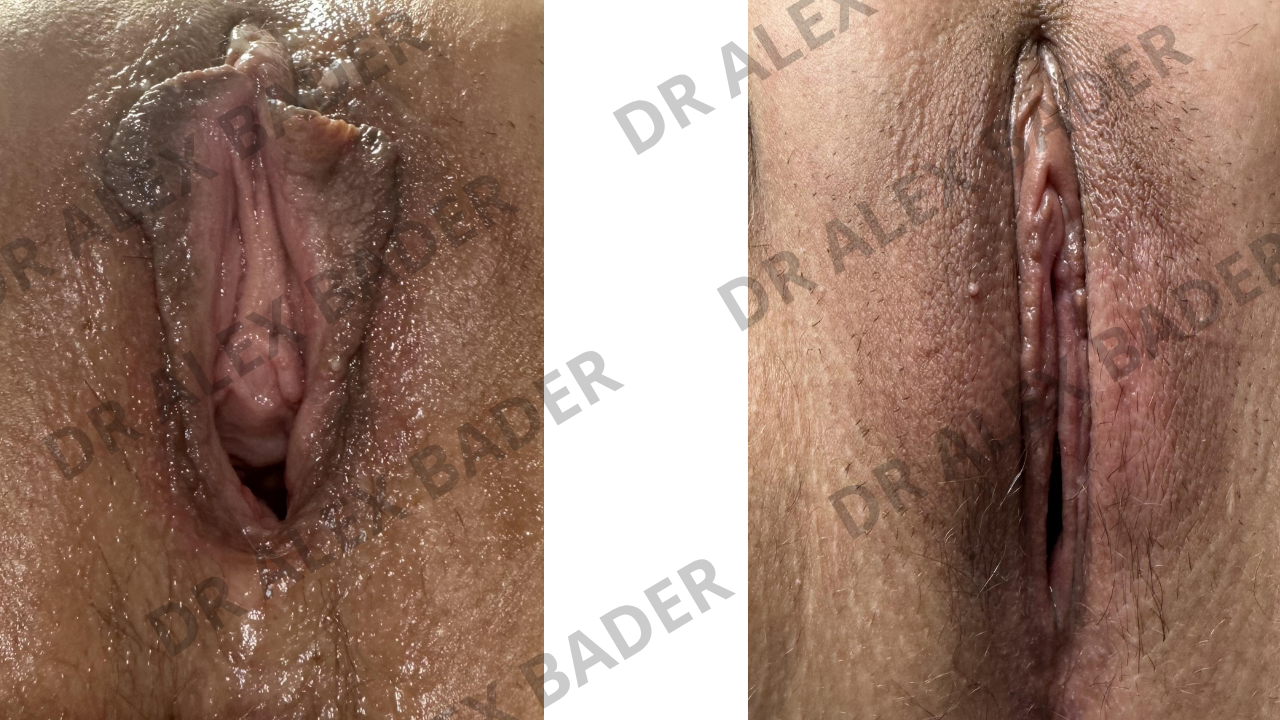
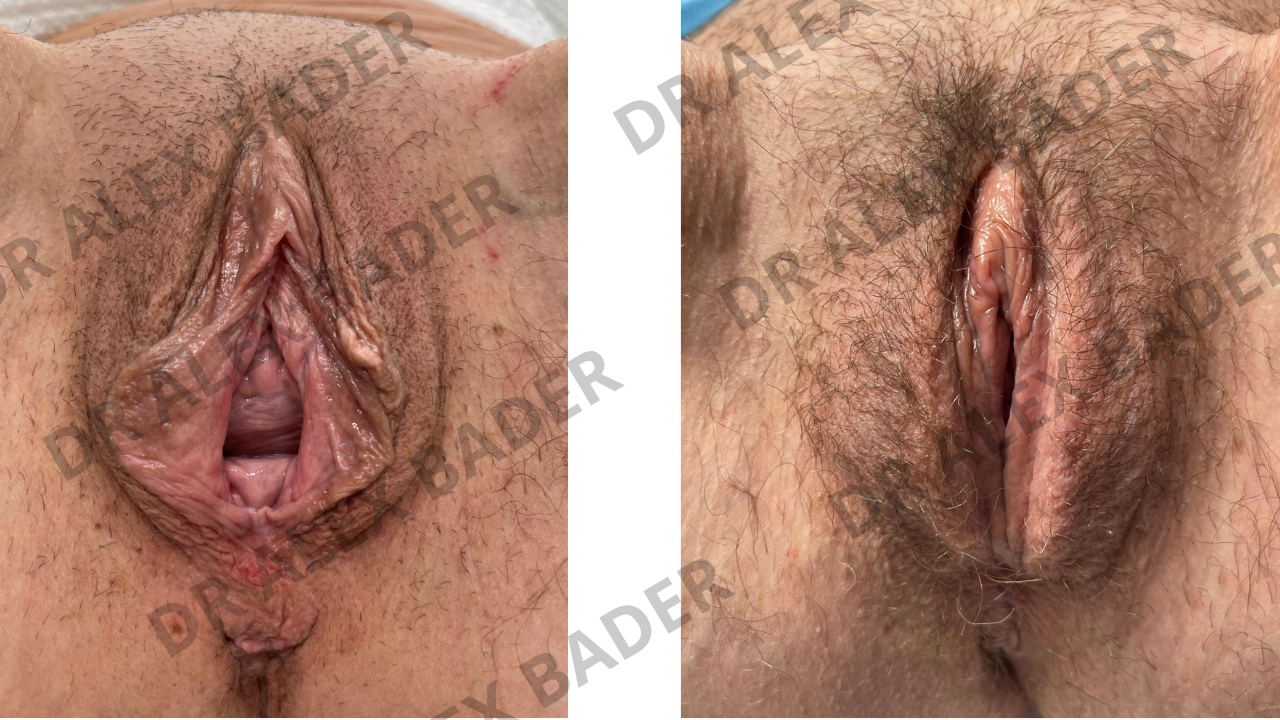
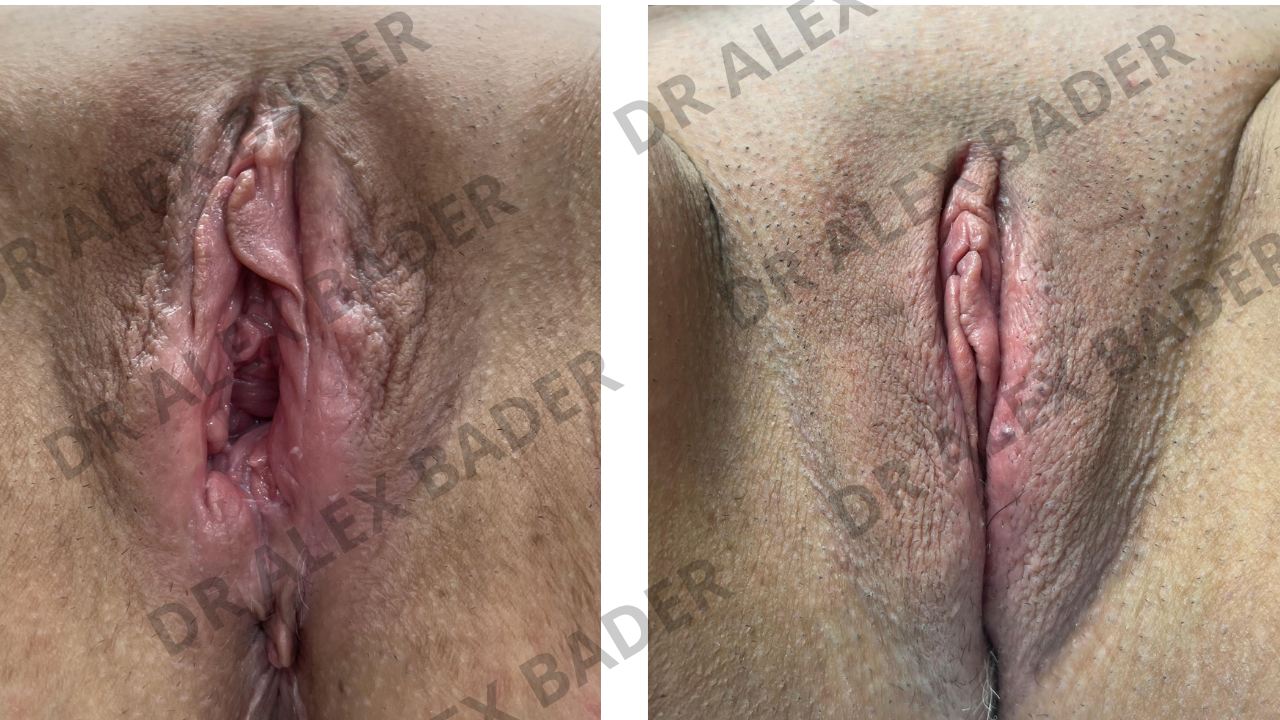
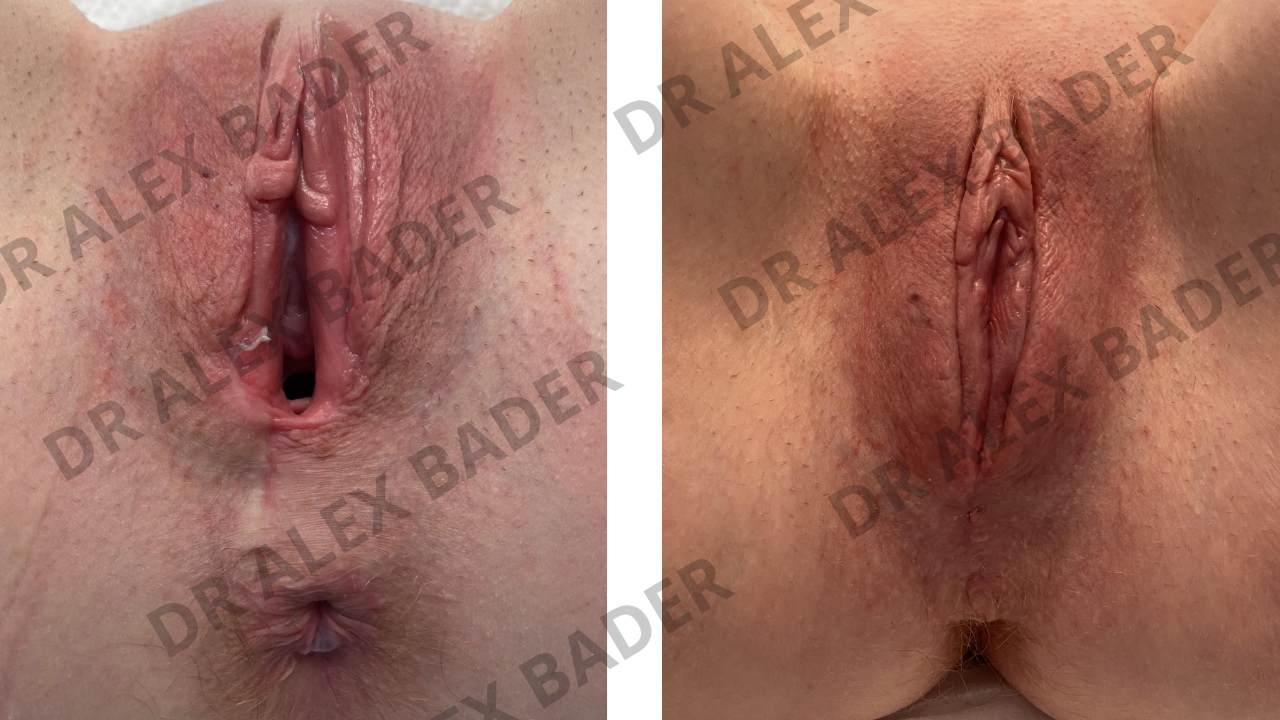
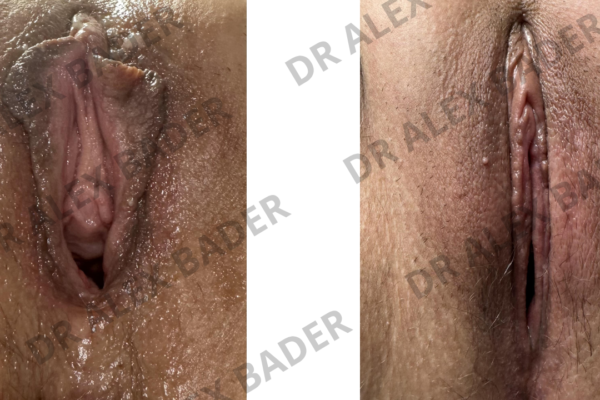
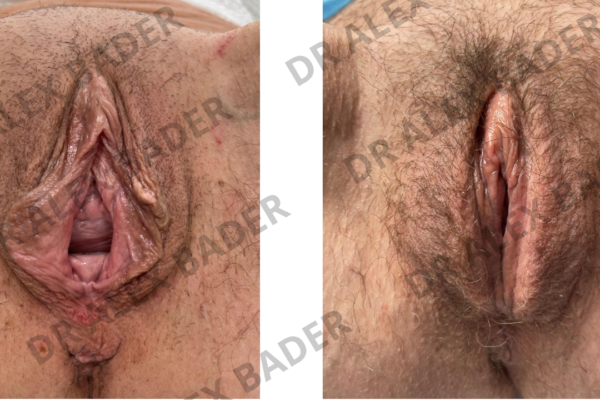
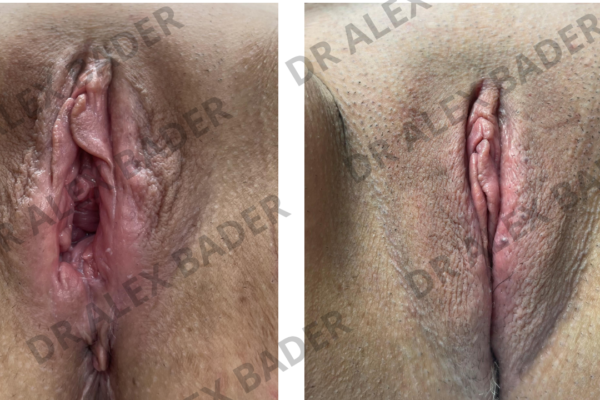
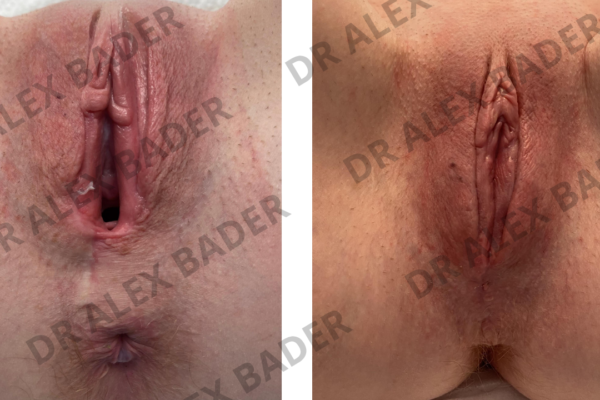
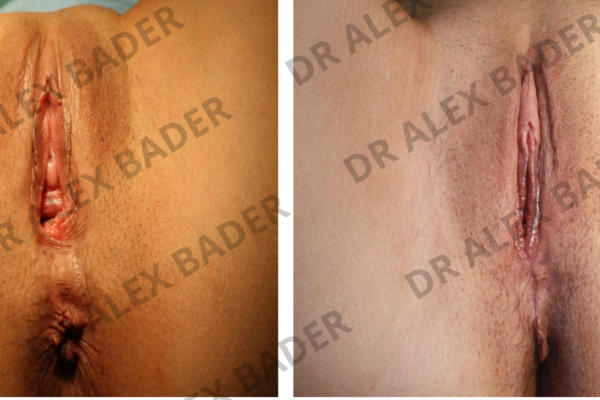
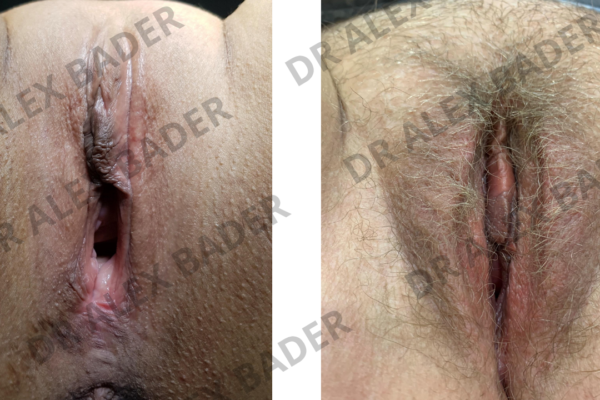
The following gallery contains real medical before and after images from intimate treatments.
Some people may find these images sensitive or unsettling.
By choosing to continue, you confirm that you are over 18 and wish to view this content for informational and educational purposes.




FAQs
FREQUENTLY ASKED QUESTIONS
Am I a suitable candidate for vaginoplasty?
Suitable for women with vaginal relaxation from childbirth, ageing, genetics or weight changes. We’ll assess your health, anatomy and goals during a private consultation to confirm suitability.
Laser vaginoplasty vs. traditional colporrhaphy — what’s the difference?
Laser techniques allow precise tissue handling without synthetic mesh, helping avoid long-term foreign-body sensations. Many patients find modern laser/radiofrequency approaches more comfortable with a smoother recovery than traditional colporrhaphy.
What results can I expect?
Most patients report improved vaginal tone and a noticeable enhancement in sexual satisfaction over time as healing completes. Individual results vary and will be discussed at consultation.
Is laser better than scalpel?
Laser incisions are highly controlled, supporting a natural cosmetic result with minimal bruising. Recovery is typically quicker than with traditional scalpel methods; your surgeon will recommend the best technique for your case.
How long does surgery take and what about downtime?
Surgery time is usually around 1 hour (case-dependent). Expect a few days of reduced activity; most return to light duties within several days. We provide detailed aftercare to support healing.
Why choose Bader Medical Institute of London?
Our surgeons specialise in intimate surgery, using advanced laser and radiofrequency platforms in accredited facilities. Care is discreet, personalised and supported before and after your procedure.
How much does vaginoplasty cost?
Pricing is personalised based on your anatomy, goals and whether adjunct procedures are recommended. A detailed quotation is provided after examination and treatment planning.
Stem Cell Vaginal Rejuvenation — when is it recommended?
Considered for women with significant vaginal dryness or those seeking further enhancement of tissue elasticity and comfort. It can be combined with vaginoplasty and, where appropriate, with targeted clitoral treatments.
How is Stem Cell Vaginal Rejuvenation performed?
A small liposuction harvest provides fat which is processed to isolate stem-cell-rich fractions. These are then carefully injected into targeted vaginal tissues under sterile conditions.
What anaesthesia is used for stem cell procedures?
Usually local anaesthesia with light sedation, promoting comfort and a faster return home the same day.
How long does the stem cell procedure take?
Approximately 1.5 hours, depending on the individual case and treatment plan.
Talk To Us • We Respect Privacy
If you need more information, feel free to use the contact form below. Our team is always happy to help.